

MAKE SPACE FOR THE OCCASIONAL JOBS
Spring Cleaning Watford
Cupboards, overlooked edges and less frequent household tasks can be easier to manage as one organised project. Spring cleaning in Watford brings that work into an agreed plan. It can cover accessible ledges, room edges and areas that are easy to postpone during a normal week. The season is less important than choosing a manageable list and allowing time for the work that sits outside your everyday routine.
Occasional tasks separated from weekly upkeep
Room access and belongings planned first
Seasonal fabrics and windows assessed individually
Make a list of what has been waiting
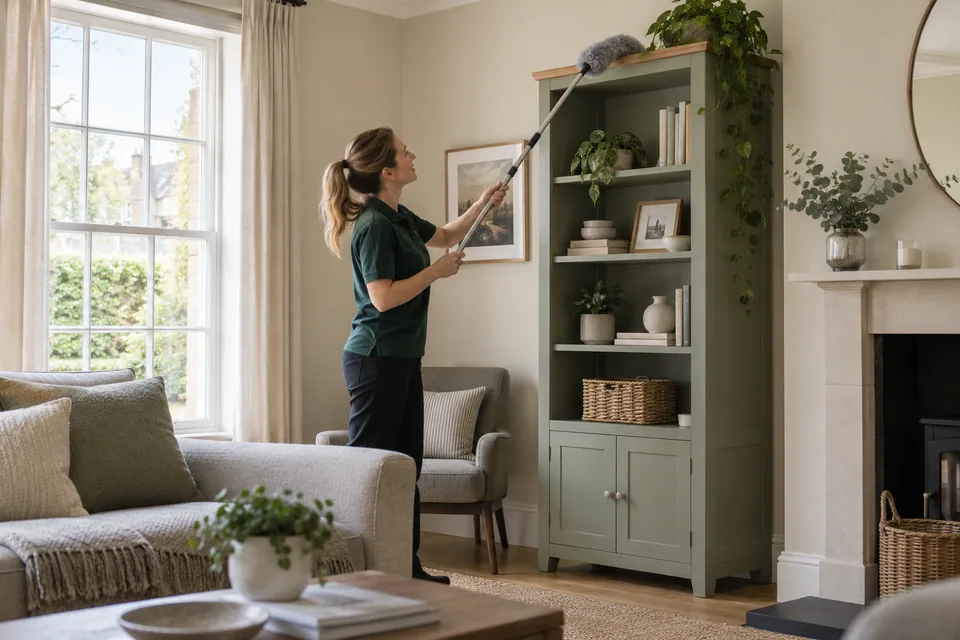
Walk through the rooms and note the jobs that rarely reach the top of the household list. You might notice dusty door tops, accessible skirting, an empty wardrobe shelf or the space beneath a light chair. Identify the actual surface and the access available. A short, specific list provides a better basis for a booking than a general request to spring clean everything.
Sorting belongings is a separate stage. Decide what to keep, put away or remove before the appointment where possible. Cleaning a shelf is straightforward to describe once its contents have been moved; deciding what should happen to years of paperwork is not a cleaning decision. If the home needs substantial decluttering, plan that separately rather than expecting the cleaner to make those choices.
Choose a room-by-room route through the work
A seasonal list can be organised around rooms or around tasks repeated across the property. Either approach needs priorities. Ask for the areas that matter most to be completed before less important finishing work. A spare room ready for visitors may take precedence over a rarely used cupboard, particularly when the appointment has a fixed time allowance.
Think about the household’s use of the space. A home office may be unavailable for part of the day, or a bedroom may need to remain accessible. Tell us about those constraints. If furniture will be moved in advance, make sure the arrangement is safe and that the newly exposed areas can be reached without lifting heavy items during the clean.

Dusting, edges and internal storage surfaces
Discuss reachable shelves, suitable furniture surfaces, skirting boards, door frames and accessible ledges. Dust can collect at changes in level and around decorative details, so name any particular feature you would like included. High fittings and awkward corners need an access assessment; the cleaner should not be expected to stand on chairs or household furniture.
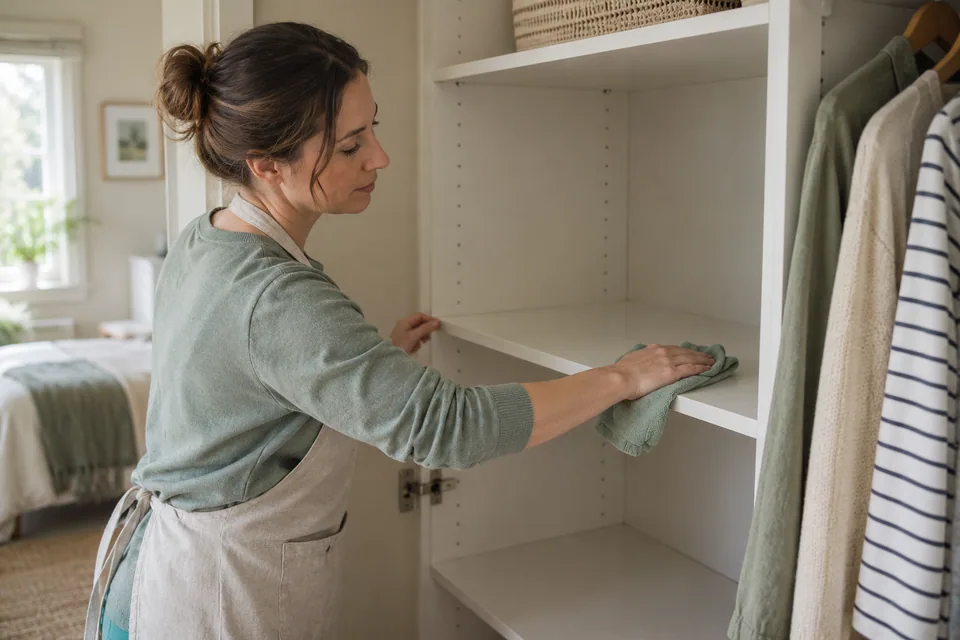
Cupboard and wardrobe interiors are useful seasonal tasks when they are emptied beforehand. Explain the finish, remove loose belongings and point out delicate linings or damaged surfaces. Wiping an accessible shelf does not imply dismantling fitted storage or pulling out a heavy cabinet. Keep those boundaries clear so the work stays practical and the quoted time is used on the agreed tasks.
Give textiles and glazing their own decision
Opening a room up for the season often draws attention to dusty curtains, marked upholstery and glass that needs closer care. Those materials need assessment rather than being treated as ordinary wipeable surfaces. Read about curtains cleaning if the fabric, lining or hanging arrangement needs attention, and blinds cleaning for slats, fabric panels and controls.
For panes and frames, discuss window cleaning and specify internal or external work. Safe access, floor level and the condition of the frames matter. If a fabric sofa is also on the list, upholstery cleaning explains why the care label and drying arrangements should be considered separately from the surrounding room clean.

Use suitable methods on familiar but varied finishes
A seasonal clean can expose surfaces you have not dealt with for some time. Tell us about waxed wood, natural stone, delicate paintwork, coated fittings and any previous damage. Where care instructions exist, make them available. Dust removal and an appropriate wipe are different from restoration, polishing a damaged finish or treating a stain that has penetrated the material.
Confirm the product and equipment arrangements before the visit. If you have sensitivities or preferences, discuss them with enough time to agree a suitable approach. Do not assume that a stronger chemical treatment is needed because a task is occasional. The method should follow the material and the deposit, with limits explained where the condition is uncertain.
Preparation and the time you should keep available
Clear floors, remove objects from agreed shelves and leave access to the rooms on the list. Put valuables away and identify fragile ornaments or fittings. If beds are to be moved or furniture needs substantial rearrangement, organise that safely in advance. Keep pets outside the work areas and explain any doors or windows that should not be opened.
A focused seasonal list may take several hours, while detailed work across a larger house can need much more of the day. The number of tasks, the dust and dirt present, and the amount of accessible space are better guides than the season itself. Ask for a time estimate and quote after those details are known, including any minimum booking and separately priced specialist work.
Turn the finished list into a manageable routine
A spring clean does not need to happen only once a year. You can spread occasional work across a series of planned visits if that is easier for the household. After the larger tasks are addressed, regular cleaning can focus on the rooms and surfaces that need frequent attention, leaving a clear record of less frequent jobs to revisit.
If inspection reveals heavy grease or substantial bathroom deposits, the next step may be a targeted deep clean rather than adding more unrelated seasonal tasks. Discuss the problem area and the result that is realistic for its materials. A useful seasonal plan leaves you with clear priorities; it should not become a promise to repair, restore and reorganise every part of the home.
BEFORE YOU ARRANGE THE VISIT
Questions about spring cleaning.
Does spring cleaning have to be booked in spring?
No. The service is a way to organise less frequent household work. It can be discussed whenever the property is ready for a seasonal reset or a group of occasional tasks needs attention.
Should I empty cupboards before a seasonal clean?
Empty the particular interiors that have been agreed for cleaning. Remove personal belongings and explain any delicate finish. Do not empty every cupboard unless that broader scope has been discussed.
Will high light fittings and ceilings be included?
Name those items before booking. Reach, fitting condition and safe access must be considered, and some work may fall outside the appointment. Household chairs are not an appropriate access arrangement.
Can curtains be cleaned at the same time as the room?
Ask about the curtain material, lining and suitable method separately. Dusting nearby surfaces is not equivalent to fabric treatment, and removal, re-hanging or drying may require different arrangements.
How do I keep an occasional task list from becoming too large?
Choose the rooms and jobs that matter most, then separate specialist work and repairs. Agree the order of priorities and ask which tasks can realistically fit the proposed visit.
A PRACTICAL NEXT STEP
Spring Cleaning.
Start with the details.
Call with your postcode, the areas or items involved and a preferred appointment. Discuss the scope and quote before arranging the visit.