

BETWEEN ONE STAY AND THE NEXT
Holiday Rental Cleaning Watford
Holiday rental cleaning in Watford needs a workable handover window and a property-specific checklist. Guests may leave at different times and use rooms differently, so the next arrival should not be planned around an assumed standard clean. Explain the accommodation, the expected turnover and the tasks you want agreed for each visit.
Arrival and departure windows coordinated
Cleaning separated from laundry and restocking
Property instructions kept clear and practical
Build a checklist for this property
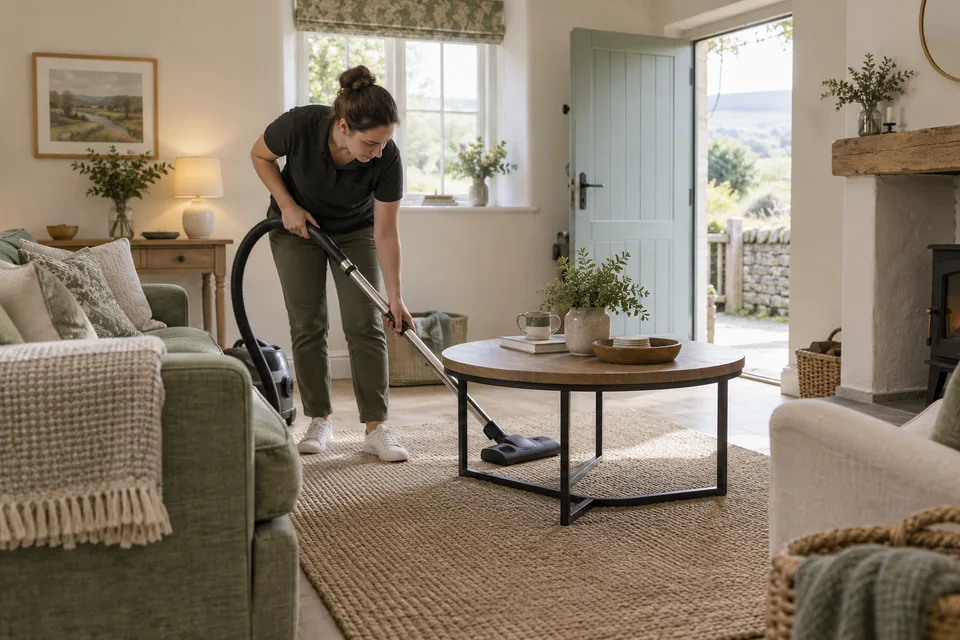
List the bedrooms, bathrooms, kitchen and living areas, then add the features that make the accommodation different. A sofa bed, a second shower, a wood-effect floor or an outdoor cooking area can change the workload. Identify what is to be cleaned at every turnover and what needs an occasional separate appointment. The cleaner needs instructions that reflect the property rather than a generic guest-ready label.
Give the owner or manager’s contact details and explain who can approve a change of scope. If you manage the accommodation remotely, agree how concerns will be reported. Cleaning observations can help flag an obvious problem, but they are not a substitute for maintenance inspections, appliance servicing or the safety checks for which the property’s responsible person must make arrangements.
Make the departure and arrival timings realistic
Confirm when departing guests are expected to leave and when the next guests can arrive. The cleaning team cannot work effectively around belongings still occupying the rooms. Late departure, an unusually heavy stay or an unexpected spill can affect the original plan. Discuss how those situations will be handled instead of relying on an identical time allowance for every booking.
A small, lightly used accommodation and a larger house with several occupied bedrooms have different needs. Allow a realistic block of time and ask for an estimate based on the property and task list. Keep a contingency where a handover is important. A short gap between stays should not be treated as a guarantee that detailed cleaning, laundry and additional treatments can all be completed.

Kitchens and bathrooms need a precise turnover scope
For the kitchen, agree worktops, sink, suitable splashbacks, appliance exteriors and floors. Specify the handling of used crockery, food left behind and accessible appliance interiors. An oven with substantial baked-on residue may need separate oven cleaning rather than an unplanned addition to a short changeover. The property should have clear instructions about what can be discarded.
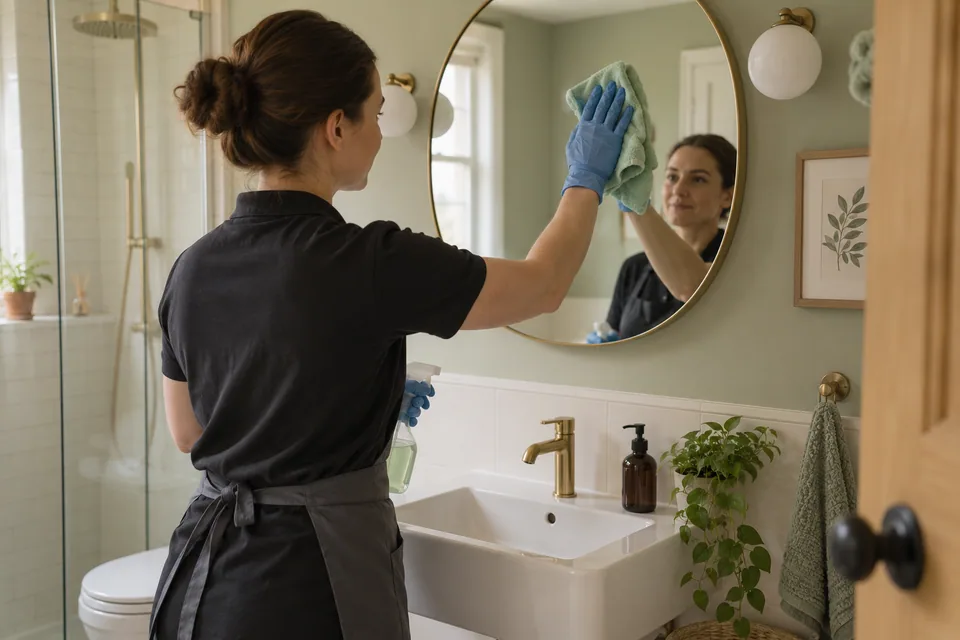
Bathrooms need their own list of sanitary fittings, mirrors, suitable surfaces and floors. Explain how towels and other supplied items will be handled. Heavy limescale or deteriorated sealant is different from ordinary turnover cleaning, so record such issues and arrange the appropriate follow-up. Do not use a routine guest change as a reason to expect repairs or restoration without a separate plan.
Agree linen, laundry and consumables separately
Changing a bed is not the same service as washing, drying and returning its linen. Confirm exactly which parts of the process are included, where clean supplies are stored and where used items should be left. Provide the right sizes and sufficient stock for the arrangement. If laundry is handled elsewhere, make the collection and delivery sequence clear.
The same applies to toiletries, kitchen supplies and other consumables. Restocking needs a list, an accessible supply and an agreed allowance. A cleaner cannot replenish items that have not been provided or decide which products the owner wants guests to use. Discuss checks and presentation details, but keep the responsibility for purchasing and stock availability with the person managing the accommodation.
Protect furniture and deal with unexpected finds
Give care instructions for delicate worktops, flooring, upholstery and decorative pieces. Explain which items can be moved and which should remain in place. If something is damaged or a stain needs specialist attention, agree a reporting route before treatment is attempted. Lost property also needs a clear process: deciding ownership or disposing of a guest’s belongings is not an ordinary cleaning judgement.
Fabric items may need a separate assessment after repeated stays. For marked seating, upholstery cleaning considers the material, previous treatments and drying. A planned deep clean can address accumulated household dirt that no longer fits a normal turnover. Keeping these tasks outside the arrival deadline makes the work easier to assess properly.
Set up access and a sensible quote
Confirm entry, alarm arrangements, parking and any building rules. Provide a secure agreed way to access the property and make essential utilities available. Tell us who should be contacted if a door will not open, supplies are missing or the condition is different from the brief. Access problems can use the time reserved for cleaning, especially in a tightly scheduled changeover.
The quote should identify the rooms, number of beds, expected condition and agreed extras. Ask how a heavily used stay, extra occupied bed or changed arrival time would affect the arrangement. Do not assume a flat price covers unlimited additional work. A clear scope makes it easier to distinguish a normal turnover from a visit requiring a revised allowance.

Choose the right ongoing arrangement
For a furnished property used for shorter business or serviced stays, compare short let cleaning and explain how the occupancy pattern differs. For the owner’s occupied home rather than guest accommodation, domestic cleaning may be the more appropriate starting point. The address alone does not determine the service; the way the space is used matters.
Keep a record of occasional tasks between turnovers, such as fabric care or work inside an appliance. Scheduling them deliberately avoids loading every changeover with jobs that need more time. A useful cleaning arrangement supports the property’s handover routine while keeping guest communication, booking management, maintenance and the agreed cleaning responsibilities distinct.
BEFORE YOU ARRANGE THE VISIT
Questions about holiday rental cleaning.
Does a holiday rental clean include washing the linen?
Laundry should be specified separately from changing beds. Confirm washing, drying, collection and clean-linen storage arrangements, including who supplies the correct items and sufficient stock for the turnover.
What happens if guests leave later than expected?
Tell us how access delays will be communicated and who can approve revised arrangements. A late departure can reduce the available cleaning window, so completion before the next arrival should not be assumed.
Can toiletries and kitchen supplies be replenished?
Discuss a precise list and provide accessible stock if restocking is to be included. Purchasing supplies and maintaining enough inventory need an owner or manager’s arrangement rather than an assumption during the clean.
Will a turnover visit include removing heavy oven grease?
A detailed oven interior can need its own time allowance. Identify the appliance condition before booking and separate occasional intensive work from the tasks that must fit a routine guest changeover.
Can the cleaner decide what to do with belongings left behind?
Provide an agreed lost-property process and a contact person. Personal belongings should not be treated as ordinary waste merely because guests have checked out, and decisions may need the property manager’s instruction.
A PRACTICAL NEXT STEP
Holiday Rental Cleaning.
Start with the details.
Call with your postcode, the areas or items involved and a preferred appointment. Discuss the scope and quote before arranging the visit.