

NAME THE APPLIANCE AND THE PARTS TO BE CLEANED
Appliance Cleaning Watford
A refrigerator interior, a microwave and a washing-machine drawer need different preparation and handling. Appliance cleaning in Watford is planned item by item, with the model and care guidance available. Explain which interiors, removable parts or exterior surfaces need attention instead of assuming one booking covers every appliance in the kitchen.
Each appliance and component listed
Food, access and preparation arranged first
Cleaning separated from servicing and repairs

An item-by-item list makes the scope understandable
Start with the appliances rather than the room: fridge, freezer, microwave, dishwasher or washing machine, then identify the parts involved. Wiping an exterior is different from cleaning shelves, a drawer or another appropriate removable component. Give the model where known and explain integrated fittings, restricted door movement or parts that are damaged. Those details can affect both suitability and access.
Kitchen appointments often combine several different jobs, so keep the list explicit. If an oven is included, it needs the scope described under oven cleaning rather than being treated as an ordinary appliance wipe. A large multi-cavity cooker may require range cooker cleaning. Each item should receive its own preparation and allowance within the overall plan.
Interiors and removable components have material limits
Fridge shelves, clear drawers, seals, enamelled surfaces, coated parts and controls are not interchangeable materials. Follow the maker’s care instructions and point out cracked plastic, loose seals or earlier chemical damage. A removable component still needs a compatible method; removal alone does not establish that it can be soaked, heated or treated with any household product.
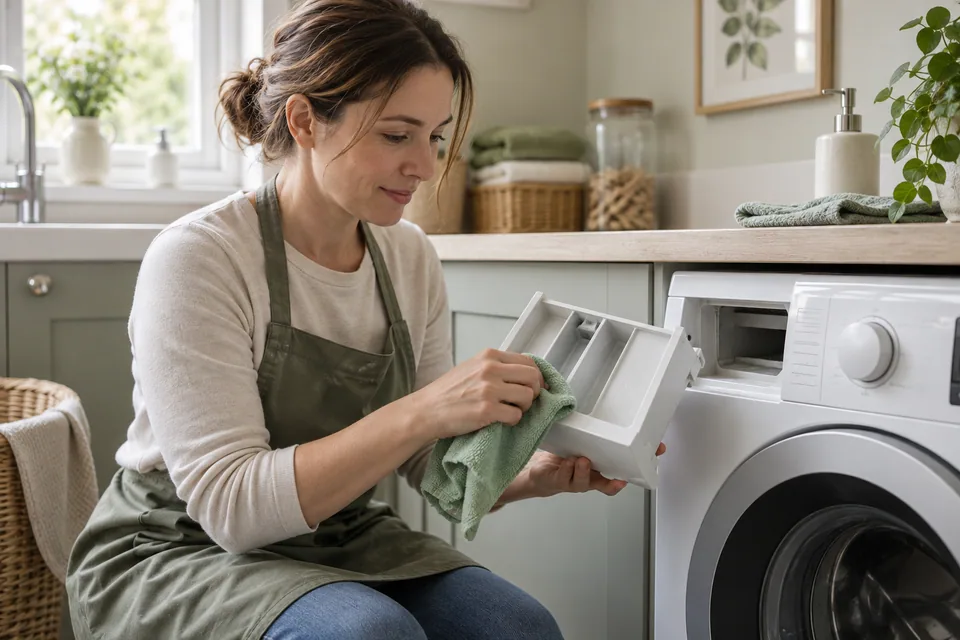
Microwaves and other appliances can have sensitive interior finishes and ventilation areas. Washing-machine drawers and dishwasher filters are component-specific tasks, not permission to open internal machinery. The agreed cleaning should stay within appropriate accessible parts. Electrical systems, pumps, motors, gas components and other operating mechanisms require a different competent service if a fault is suspected.
Food removal and defrosting need to happen in the right order
If a fridge or freezer interior is on the list, decide how food will be removed and stored before the appointment. The cleaner should not be expected to choose what is safe to keep, dispose of personal food or provide cold storage without an express arrangement. Emptying the appliance also lets the actual condition and any damage be assessed more clearly.
Freezer preparation can take longer than the active cleaning. Follow the appliance instructions and agree any defrosting or isolation requirements in advance, including how meltwater and nearby flooring will be managed. Do not force ice off a sensitive surface or improvise electrical preparation to shorten the visit. If you are uncertain about safe preparation, obtain the appropriate guidance before booking.
| Item on the list | Preparation to agree |
|---|---|
| Fridge or freezer interior | Food removal, required preparation and safe access to shelves. |
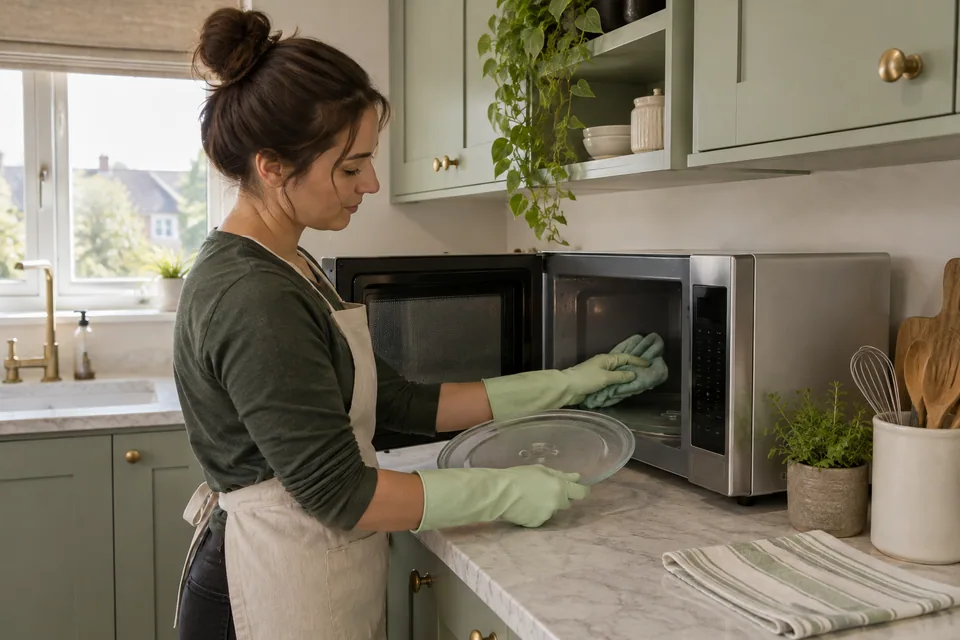
| Microwave and removable tray | A cool appliance, appropriate instructions and the parts included. |
| Dishwasher filter or detergent drawer | The exact component and its maker’s removal and care guidance. |
Make room to work without moving connected equipment
Clear the surrounding counter and floor, remove personal items and leave access to the doors or drawers being cleaned. Explain where removable parts can be handled without damaging another surface. If the appliance is integrated, low-mounted or positioned in a narrow space, describe that arrangement. A safe route and a usable work area are more helpful than leaving the cleaner to rearrange a busy kitchen.
Pulling a heavy appliance out, disconnecting supplies or dismantling fitted cabinetry should not be assumed. Work behind an installed machine can involve connections that need separate competent handling. Point out any leak, damaged cable, faulty latch or operating concern before cleaning. An appliance should not be represented as serviced or certified safe simply because accessible surfaces and removable parts have been cleaned.
Allow for the components, condition and return to use
A light interior wipe and a group of heavily affected components have different workloads. Several appliances can occupy a substantial part of a visit, while preparation such as defrosting may need a separate period beforehand. Ask for a time estimate after the list and condition are described. The number of machines alone does not capture the detail required inside each one.
Confirm the proposed return-to-use guidance for the actual appliances and process. Food-contact areas need appropriate product handling, and parts may require drying before reassembly or use under the relevant instructions. Do not start an improvised hot cycle or apply another cleaner as an assumed finishing step. Keep any aftercare specific to the appliance rather than borrowing advice from a different type of machine.
Understand the quote and the boundary with household cleaning
Price factors include the item list, component count, residue, access and any preparation not already completed. Ask what is included and how extra work would be agreed if the appliance is not in the condition described. Permanent staining, scratches, broken seals and mechanical faults may remain outside cleaning. Repair and replacement decisions should be kept separate from the quotation for suitable dirt removal.
For grease or accumulated dirt around the kitchen, deep cleaning can address agreed room surfaces alongside the appliance work. If the property is being vacated, list appliance interiors clearly in an end of tenancy cleaning plan. Coordinating the tasks is useful, but a broad room-cleaning label should not obscure which machine interiors and removable fittings have actually been booked.

BEFORE YOU ARRANGE THE VISIT
Questions about appliance cleaning.
Can a fridge be cleaned while it is full of food?
Arrange food removal and storage before the visit if internal cleaning is included. The cleaner should not need to decide what to keep or discard, and occupied shelves restrict access to the surfaces on the list.
Is freezer defrosting automatically part of the appointment?
Do not assume it is. Preparation can take longer than active cleaning and needs to follow the model’s instructions. Agree the timing, safe isolation where relevant and management of meltwater in advance.
Does cleaning a dishwasher filter count as servicing the machine?
No. An agreed accessible component clean is different from inspecting or repairing pumps, electrics and operating systems. Report faults separately and use the appropriate competent service for diagnosis or repair.
Will the washing machine be pulled out to clean behind it?
Movement and disconnection require a separate safe arrangement and should not be assumed. Explain the inaccessible area before booking so the scope does not rely on moving a heavy connected appliance.
Can a microwave tray and interior be included together?
List both parts and provide the model’s care guidance. Materials and coatings can differ, so the proposed method and any preparation need to be agreed for the actual appliance and removable tray.
A PRACTICAL NEXT STEP
Appliance Cleaning.
Start with the details.
Call with your postcode, the areas or items involved and a preferred appointment. Discuss the scope and quote before arranging the visit.