

TURN RECURRING NEEDS INTO A CLEAR AGREEMENT
Contract Cleaning Watford
The useful part of a cleaning contract is the detail behind the schedule. Contract cleaning in Watford should define what happens on each visit, who provides access and how changes are authorised. Begin with the way your site operates, then agree a realistic scope that can be checked and reviewed over time.
Tasks allocated by zone and frequency
Responsibilities recorded from the start
Changes reviewed against the agreement

Write a specification people can use
A useful specification divides the premises into zones and names the tasks expected in each. Floors, accessible surfaces, kitchens, washrooms and waste points can have different frequencies. Avoid a single phrase such as clean throughout when it leaves detailed responsibilities open to interpretation. Identify the areas excluded and any surfaces or equipment that staff must not disturb.
Explain the building’s occupancy and activity as well as its size. A busy shared kitchen may need more attention than a larger low-use meeting room. If the site is already behind on maintenance, quote the initial reset separately. Commercial deep cleaning can establish a clearer starting condition without quietly using the first recurring visits to absorb a different workload.
Match frequency to the workload and budget
State which tasks matter on every visit and which can be scheduled periodically. The number of users, customer traffic and operating hours affect the useful interval. A weekly visit cannot reasonably carry the same daily expectations as a more frequent arrangement. If time is limited, agree priorities and the implications for lower-priority work rather than leaving an impossible list in place.
A contract should also explain the treatment of occasional needs. Seasonal traffic, events or a change of use can add work outside the usual allowance. For office cleaning, hybrid occupancy may shift demand between days or zones. Review the actual pattern with the site contact instead of assuming the initial schedule will remain suitable indefinitely.
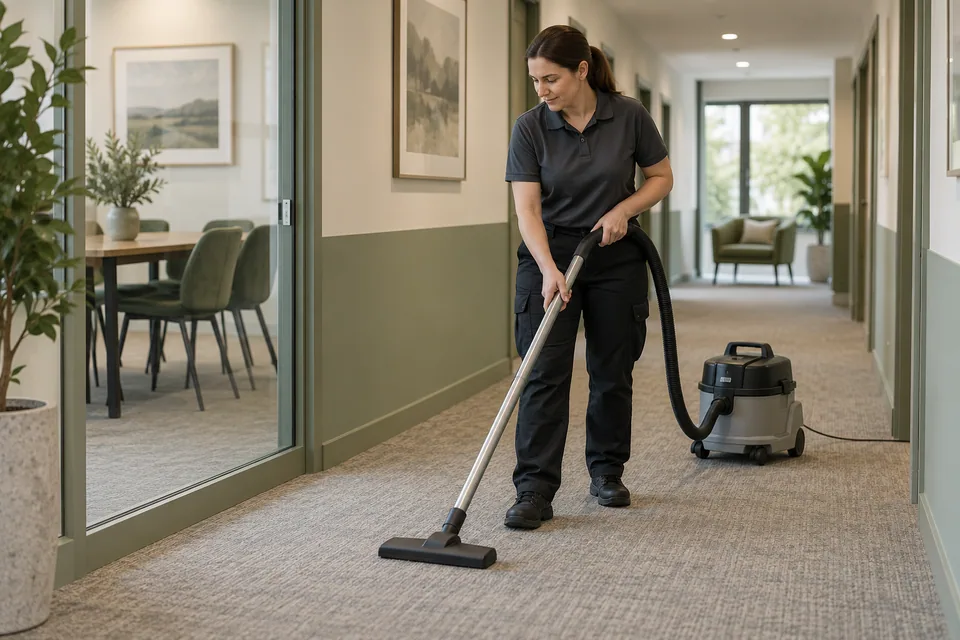
Clarify access, supplies and site responsibilities
Record entry and exit arrangements, alarm procedures, restricted areas and the contact for problems. Explain whether the building will be occupied and which routes must remain open. Keys and security information need a controlled process agreed with the organisation. A cleaner should not have to improvise access or seek permission from unrelated occupants on each visit.
Supplies require the same clarity. Agree cleaning materials, equipment arrangements, storage and who orders washroom consumables. If staff are responsible for clearing desks or removing stock, make that part of the preparation expectations. Specialist waste, sanitary services and unusual disposal requirements need separate provision. Ordinary waste-bin duties do not establish responsibility for every material present on site.
Make reporting and review part of the arrangement
Choose a named contact who can receive reports, discuss priorities and approve changes. Decide how an inaccessible area, damage or an unexpected spill should be raised. A practical task record can support review, but paperwork should describe the agreed service rather than act as evidence for work that was not actually feasible. Completion and limitations need to be communicated honestly.
At review, compare the specification with how the premises are now used. New rooms, additional staff or altered opening hours may change the allowance. Record any agreed amendment so the current brief is clear to both sides. A verbal request from someone on site should not silently replace the scope authorised by the responsible contact.
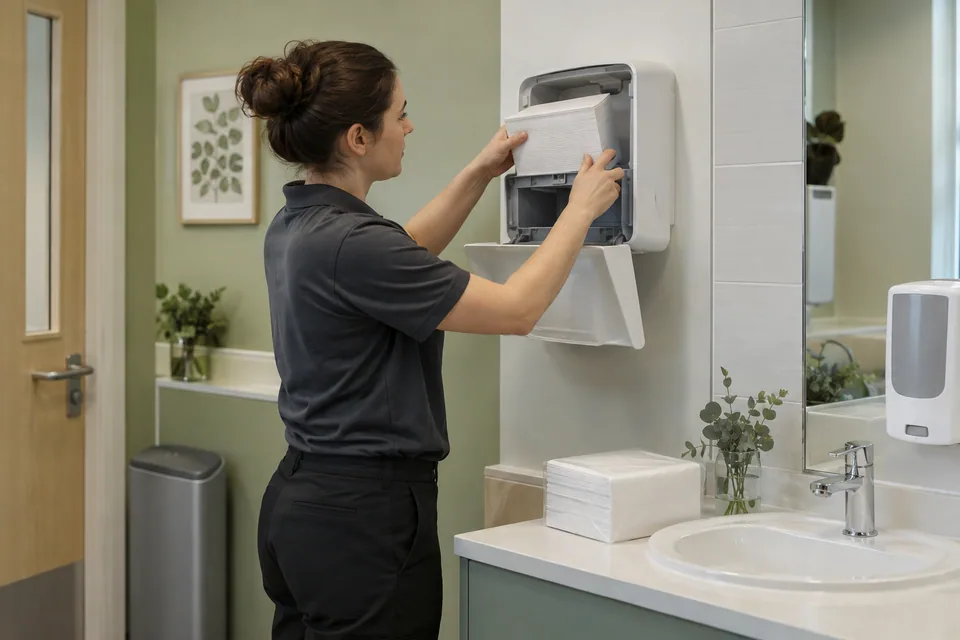
Separate recurring work from specialist appointments
Periodic textile treatment needs method and drying arrangements beyond routine vacuuming. Plan commercial carpet cleaning with the relevant rooms and availability identified. External glazing may require a separate access plan through commercial window cleaning. Including those tasks in a calendar is useful, but their actual scope still needs its own confirmation.
Repair work, hazardous materials, high-level access and specialist decontamination are not automatic additions to a maintenance contract. List any particular site standards or operating rules before an agreement is made. Do not infer certifications, specialist capabilities or guaranteed response times that have not been confirmed. The service should be specified on the basis of the work that can actually be provided.
Read the commercial terms alongside the task list
The quotation should reflect area, visit length and frequency, facilities, materials, security restrictions and the agreed periodic workload. Ask how additional tasks are priced and approved. Confirm the proposed start date and appointment availability. Contract duration, notice, payment arrangements and any cancellation terms should be understood from the actual agreement rather than assumed from a general website description.
A site visit or sufficiently detailed discussion may be needed before the scope is settled. Keep a record of the agreed specification and the responsible contacts. If the building’s needs change, raise that early enough to review the plan. A clear contract supports consistent expectations; it cannot ensure that a heavily used premises remains unchanged between visits or remove the need for occupants to manage their own daily responsibilities.
BEFORE YOU ARRANGE THE VISIT
Questions about contract cleaning.
What belongs in a contract cleaning specification?
Identify zones, tasks, frequency, priorities, exclusions and practical access requirements. Include who supplies consumables and who can authorise changes, so expectations do not depend on a vague whole-site instruction.
Can the schedule change when occupancy increases?
The arrangement should have a route for reviewing workload and agreeing amendments. More users or new rooms may affect the time and frequency rather than being absorbed automatically into the original allowance.
Does a contract include an initial deep clean?
Only if that work is expressly included. An initial reset can have a different scope from recurring maintenance and is clearer when quoted and scheduled separately.
Who should approve extra cleaning tasks on site?
Name an authorised contact in the arrangement. Requests outside the specification should follow the agreed approval process rather than changing the scope informally during a visit.
Are contract periods and notice terms fixed for every client?
Refer to the actual proposed agreement for duration, notice and payment terms. A general service description should not be treated as a promise of a particular commercial arrangement.
How should missed access or locked rooms be handled?
Agree a reporting contact and practical procedure before the start. Record the affected area and limitation so it can be reviewed instead of being mistaken for completed work.
A PRACTICAL NEXT STEP
Contract Cleaning.
Start with the details.
Call with your postcode, the areas or items involved and a preferred appointment. Discuss the scope and quote before arranging the visit.