

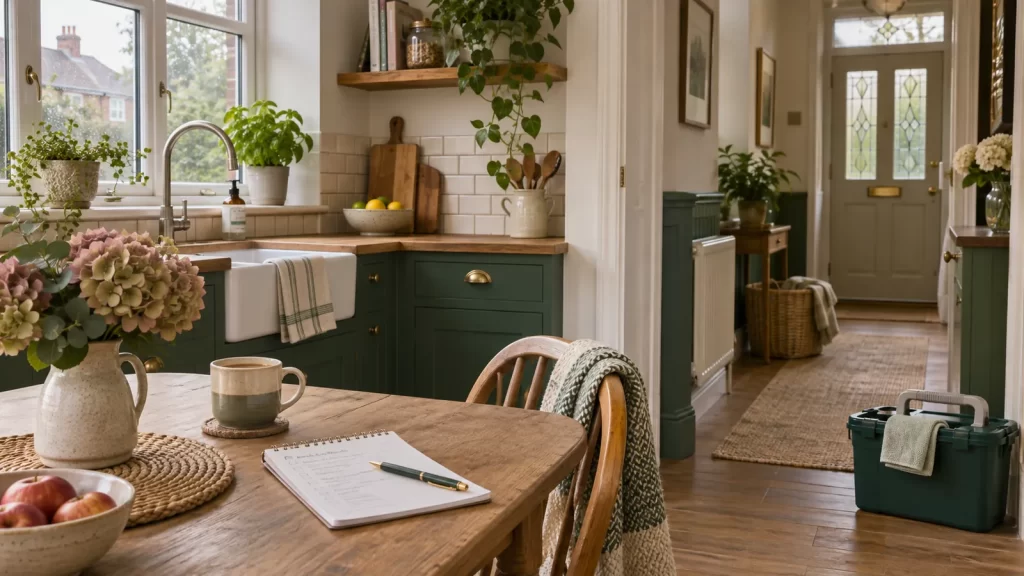
A first cleaning visit is easier when the person arriving can see what matters most in your home. You do not need to make every room spotless beforehand. A short, accurate handover gives the cleaner a workable route, protects belongings and helps you judge whether the agreed time fits the work.
Decide what a successful visit looks like
Choose three outcomes you would notice at the end of the appointment. Perhaps the bathroom is ready for daily use, the kitchen surfaces are clear and the main floor route is clean. Name the rooms and the accessible surfaces within them. “Do the kitchen” can mean very different things to different people; “wipe accessible worktops, clean the sink and vacuum the floor” is easier to agree.
Distinguish essentials from jobs that can rotate. Dusting a spare bedroom may be useful, but it need not displace a heavily used bathroom every week. If you have arranged regular cleaning, tell the provider which tasks must happen each visit and which can wait for an agreed rotation. Ask how priorities should be updated if the household routine changes.
Make the working areas accessible
Put away documents, medication, jewellery and other items you want to handle yourself. Clear loose toys or clothing from the floor where practical. This is about making the agreed surfaces reachable, not doing the cleaner’s work. A cluttered worktop takes time to sort before it can be wiped; if sorting is part of the job you want, say so when agreeing the scope.
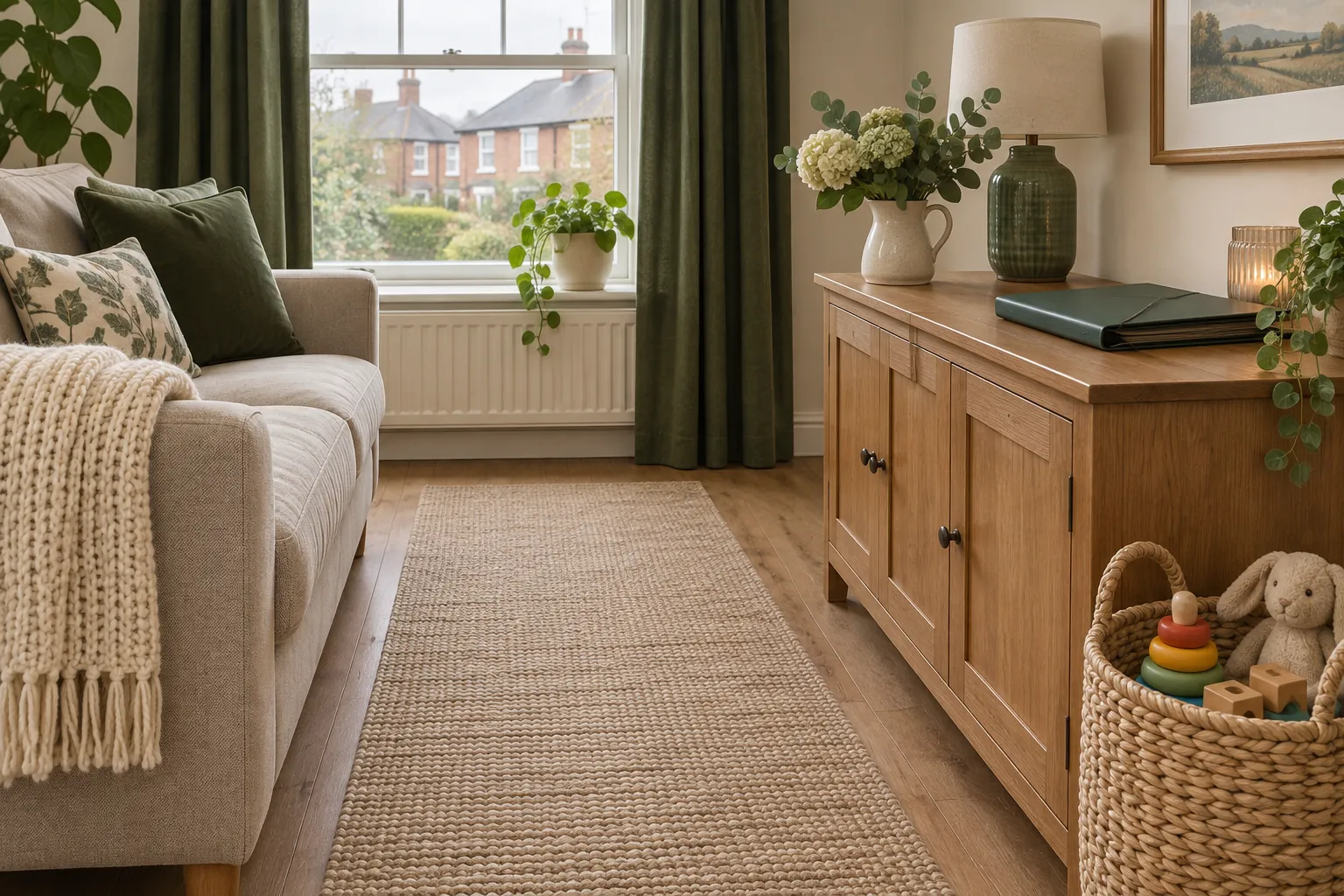
Leave safe walking routes between rooms. Do not pile belongings on stairs or beside exits. If furniture must be moved to reach a floor area, ask in advance whether that movement is included. Heavy units, connected appliances and unstable shelves should be identified rather than shifted at the last minute.
Check that keys, entry codes, parking instructions and any building rules are correct. If somebody will be at home, explain which doorbell to use and where to leave outdoor shoes or equipment. A clear arrival arrangement prevents the first minutes of the visit disappearing into access problems.
Flag surfaces that need a particular method
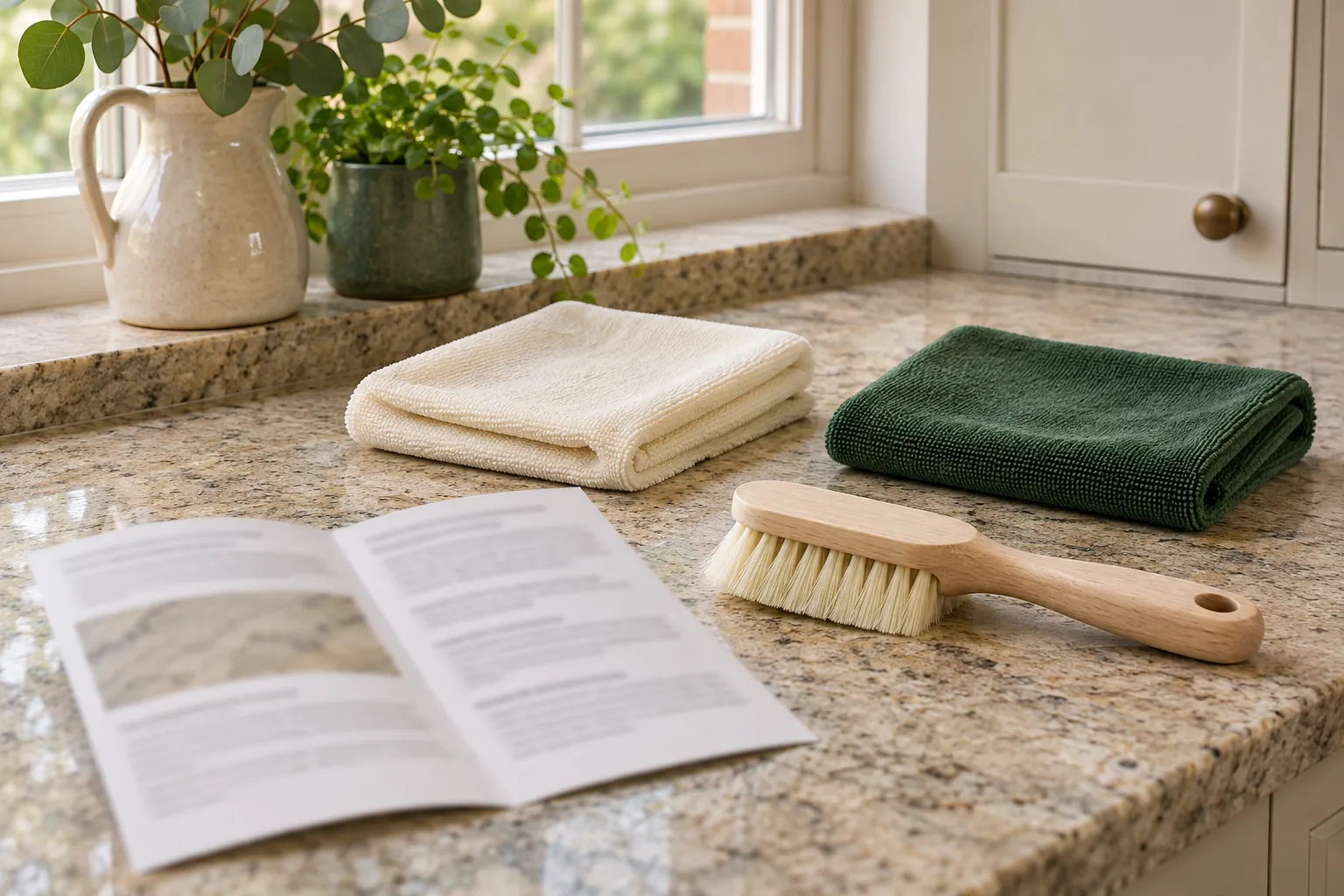
Note timber floors, natural stone, delicate taps, painted cabinets and any other finish with care instructions. Keep the manufacturer guidance available if you have it. Explain existing scratches, loose fittings or an area where a product has previously caused a mark. A photograph can help you describe the location, but the material and its condition matter more than an image alone.
Do not assume a stronger product is the right answer to an old stain. Cleaning can remove suitable soil; it cannot reverse worn coating, water damage or a failed seal. Ask for an assessment of uncertain marks before repeated treatment. If several neglected surfaces need attention, discuss whether a separate deep cleaning visit would be a better starting point before a lighter recurring routine.
Agree supplies and boundaries
Ask who supplies products, cloths and equipment. If you provide anything, keep its original label and instructions intact. Tell the cleaner about allergies or material restrictions that affect the work, without expecting them to infer the correct product from a bottle left on a counter. Never put different cleaning substances together or decant them into an unlabelled container.
Say which cupboards or rooms should remain closed. Identify a home office desk, a child’s project or a collection of fragile objects that should be left alone. If you want internal cupboard cleaning, oven work or upholstery treatment, list those as separate requests so the method, time and access can be discussed. General domestic cleaning should have a clear household scope rather than an open-ended instruction to clean everything visible.
Plan around the people and animals at home
Tell the provider if someone is sleeping, working remotely or needs a particular room at a set time. A simple room order can avoid repeated interruptions. For pets, explain where they will be during the visit, whether doors must stay shut and how the cleaner should enter. Keep feeding bowls and medicines where their owners can identify them.
If a room cannot be entered until later, state that before the appointment. Do not expect a cleaner to judge whether a pet is safe to handle or whether private belongings may be moved. The person responsible for the home should make those decisions and provide practical instructions.
Use the first visit to test the scope
Walk through the priorities at the start if you can, then leave a brief written version in one place. At the end, review what was completed and what remained. A missed item may mean the instructions were unclear, access was blocked or the amount of work exceeded the agreed time. These explanations lead to different adjustments.
Ask what could be made easier next time: a clear floor route, a material note or a different sequence may be enough. If the essentials still cannot fit, reduce optional work or discuss a longer visit. Keep the routine realistic for the home as it is actually used.
Leave useful information without creating more work
A brief note can answer questions while you are out. Put the room priorities, entry arrangements and material restrictions at the top. Include a contact number only if you are comfortable being called during the visit. Avoid leaving a long document that asks the cleaner to infer which instructions are current. Date the note when you change it, and remove older versions from the working area.
For a rented home or a shared household, decide who can approve changes to the scope. One person should give the final priorities so the cleaner is not caught between conflicting requests. If another resident asks for additional work on the day, it may need a separate agreement.
Do a final practical check before leaving: water and electricity should be available where needed, the rooms should be safely accessible, and any alarms should be explained. If a problem prevents safe work, tell the provider promptly rather than leaving a surprise at the door.
A useful first appointment establishes a shared understanding. Prepare the areas you want reached, name the finishes that need care and agree the few outcomes that matter most. Then use what you learn to shape future visits, rather than rewriting a long checklist after every clean.