

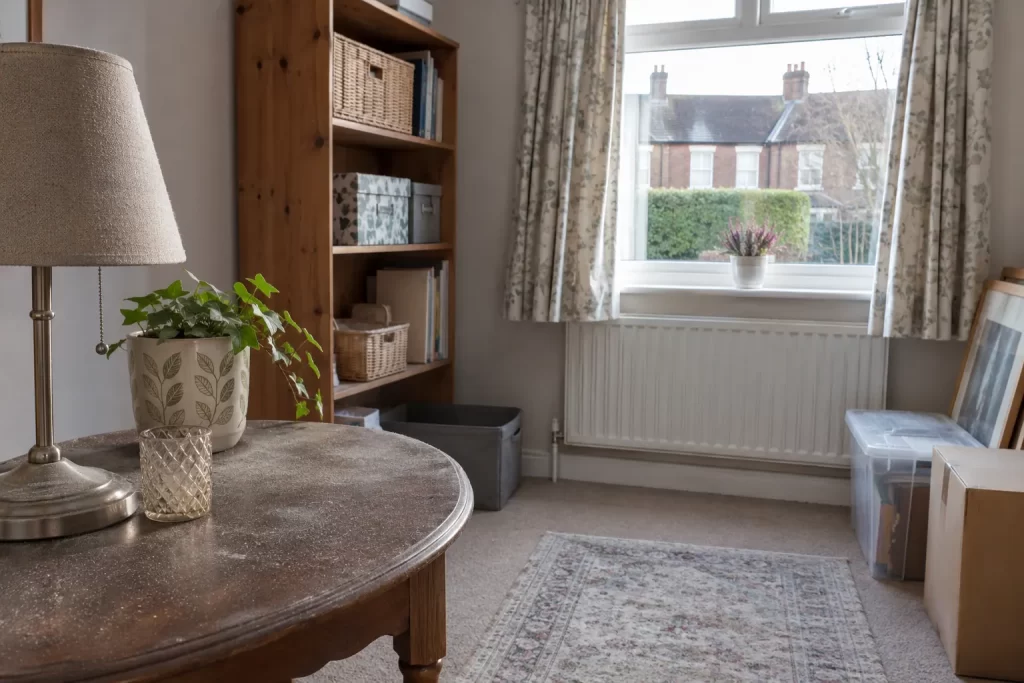
A room that has been closed for months may need more than a quick dust. Before moving furniture or opening every cupboard, inspect the space. Look for moisture, damage and signs that the room is unsuitable for normal use. If the structure and surfaces are sound, work in stages so that dust, textiles and the floor are handled without undoing earlier work.
Inspect before cleaning
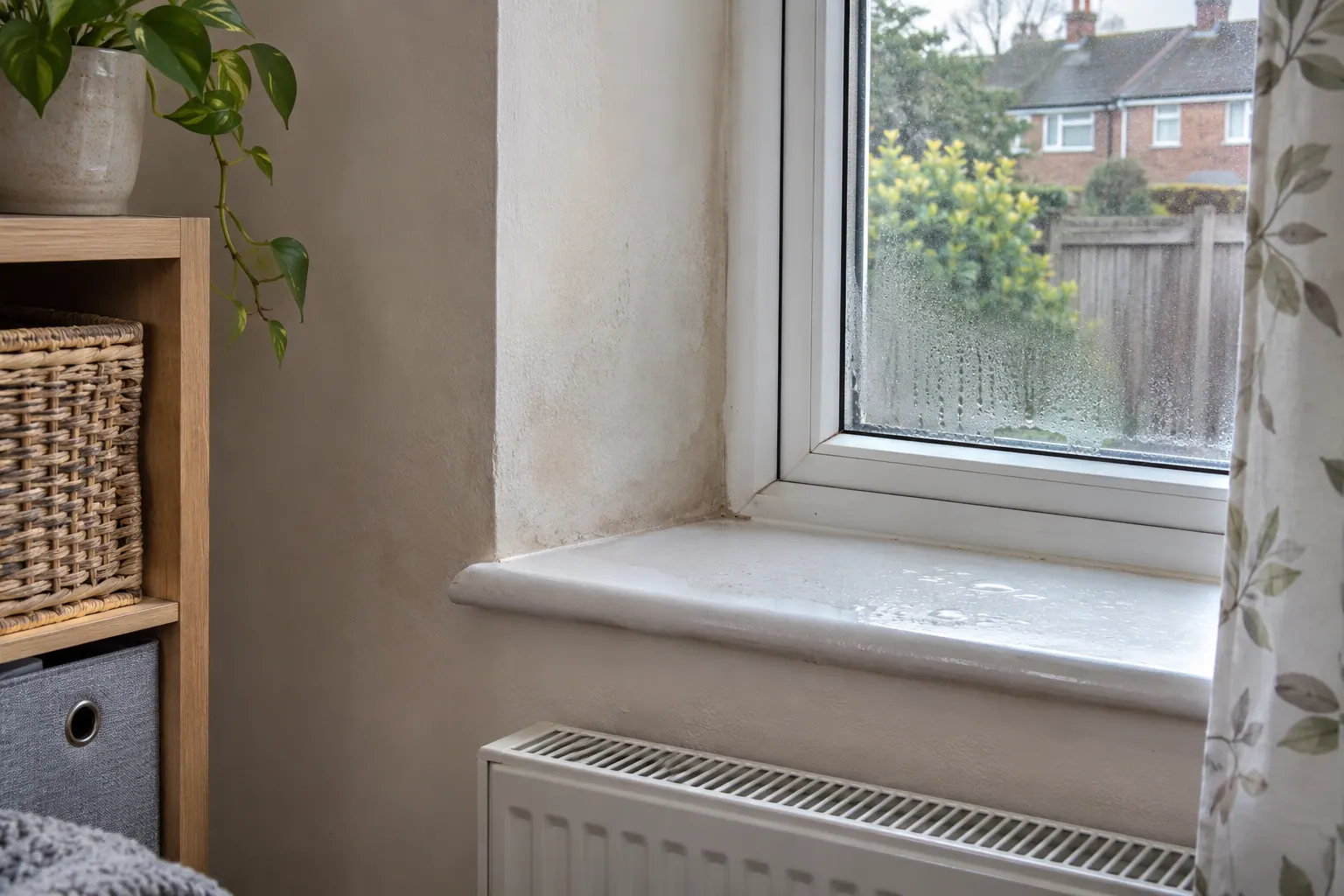
Open the door and allow your eyes to adjust. Check the ceiling, walls, window area and floor for visible water marks, loose materials or damaged fittings. Notice any persistent musty smell. Do not assume that wiping a patch will solve a leak or damp problem. If moisture is present or returns, identify who is responsible for investigating it and keep a record before cleaning proceeds.
Check whether stored furniture is standing against a cold exterior wall and whether there is room to inspect behind it safely. Do not drag a heavy wardrobe alone. A small visible mark may be part of a wider problem. If you cannot inspect without moving large items, tell the property owner or appropriate specialist what you have observed and leave the area undisturbed until a safe plan is made.
Look for pest evidence, damaged wiring or unknown substances. Avoid dry sweeping unidentified dust or handling droppings as ordinary household debris. Seek appropriate specialist advice when the material or risk is uncertain. A cleaner needs to know about a hazard before arrival, not after equipment has been brought into the room. Stop if the floor feels unstable or access is unsafe.
Give the room air and light
Where conditions are safe, open a window for ventilation and let in daylight. Do not force a stuck window or leave an accessible opening unattended. Ventilation can make the room more comfortable to work in, but it cannot repair the source of persistent moisture. If the smell remains, investigate rather than masking it with fragrance. Strongly scented products may make it harder to notice the real issue.
If the room has been heated very little, change its conditions gradually and follow any advice relevant to the property. Do not put a portable heater beside curtains or boxes to hurry drying. Keep ventilation, heating and moisture investigation as related but separate decisions, and ask for help if you are unsure about the source of dampness.
Check that lighting works before starting. If a fitting is damaged, leave it for a qualified person. Do not spray liquid onto switches, sockets or electronics. Plan the cleaning around safe access to each surface, including a route out of the room.
Sort only what blocks access
Take out obvious rubbish and return items that belong elsewhere. Keep documents, medication and valuables in a separate secure place. If you find bulky or heavy objects, describe them before arranging help rather than lifting them alone. Label boxes you intend to keep. Do not stack them across a doorway or on stairs while you clean.
The purpose of this first sort is to expose the floor and reachable surfaces. You do not need to decide the future of every stored item before making the room usable. Leave closed boxes shut unless their contents need inspection for moisture or pests. If a damaged item may contain hazardous material, pause and seek appropriate advice rather than opening it during a general clean.
Make a simple record of what is being returned to storage. A list on a box can save another search later and reduce repeated handling of dusty items. Put frequently used belongings in an accessible place and leave heavier boxes low and stable. Avoid sealing a textile into storage before it is fully dry. A few deliberate choices now can make the room easier to maintain once it is reopened.
Work down from accessible surfaces
Start with reachable upper ledges and work towards lower furniture and the floor. Choose tools and products compatible with each finish. A dry or lightly damp method may be suitable depending on the material and amount of dust; follow care instructions and avoid spreading residue with a dirty cloth. Do not climb on chairs or furniture to reach high shelves. High access needs a separate safe plan.
Wipe window sills and frames only where they can be reached safely. If paint is flaking or sealant is damaged, record it as maintenance. Protect timber and electrical fittings from excess water. Change cloths when they become dirty. After the first pass, check whether dust has settled again before placing clean items back on shelves.
Use a clean cloth for the final pass rather than returning to one already loaded with dust. If a surface leaves colour on the cloth or becomes tacky, stop and review its care instructions. Old furniture finishes may react differently from newer painted surfaces. Do not use an abrasive pad to speed through a stubborn mark; that can turn a removable residue into a permanent patch.
Assess textiles and the floor
Inspect curtains, bedding, rugs and soft furnishings before washing or treating them. Read care labels and look for moisture, staining or damage. Some removable covers are unsuitable for machine washing. Keep suspect textiles apart from clean storage until their condition is understood. Do not soak upholstery in an attempt to remove a stale odour.
Vacuum an appropriate carpet with a suitable attachment, moving small objects first. If it has persistent stains or a smell, describe the fibre, history and previous treatments when enquiring about carpet cleaning. Let any cleaned material dry fully before returning furniture or closing the room. For hard floors, follow the finish instructions and avoid excess water on timber or laminate.

Decide when the room is ready
The room is ready for use when access is clear, surfaces are clean, textiles are appropriate and no unresolved issue makes it unsuitable. Make a separate list of repairs, moisture investigation and specialist care. Recheck the room after it has been used; a recurring mark or smell needs attention at its source.
For a focused reset, discuss one-off cleaning and describe the room’s condition, materials and access. If substantial safe, accessible work remains, ask whether deep cleaning matches the agreed scope. A clear account of what you found is more useful than simply saying that the room has been closed for a long time.