

RUBBISH REMOVAL · WATFORD
Rubbish removal
in Watford.
Rubbish removal in Watford, planned around the items you want gone and the space you want back. Talk through the load, access and collection arrangements before booking.
Household items · Garden waste · Office clear-outs
A CLEARER START
Make space for
what comes next.
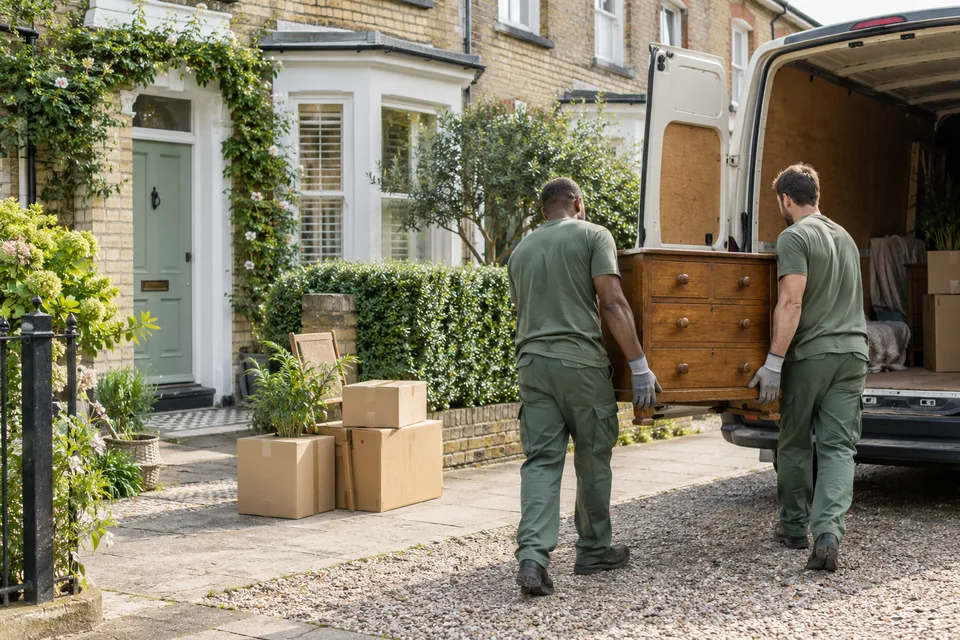
A spare room can become a store for furniture that no longer fits. A move can leave boxes, broken items and an awkward chair that will not fit in the car. The useful first step is to identify exactly what is leaving, what is staying and how the items can reach the collection vehicle.
A clear item list avoids an open-ended clear-out. Give your Watford postcode, describe the largest pieces and explain whether they are indoors, upstairs or in a garden. Discuss collection availability and the work involved before setting a date; photographs can help explain an unusual load or restricted route.
START WITH YOUR ITEM LIST
Three kinds of space.
One clear plan.
01
Household clear-outs
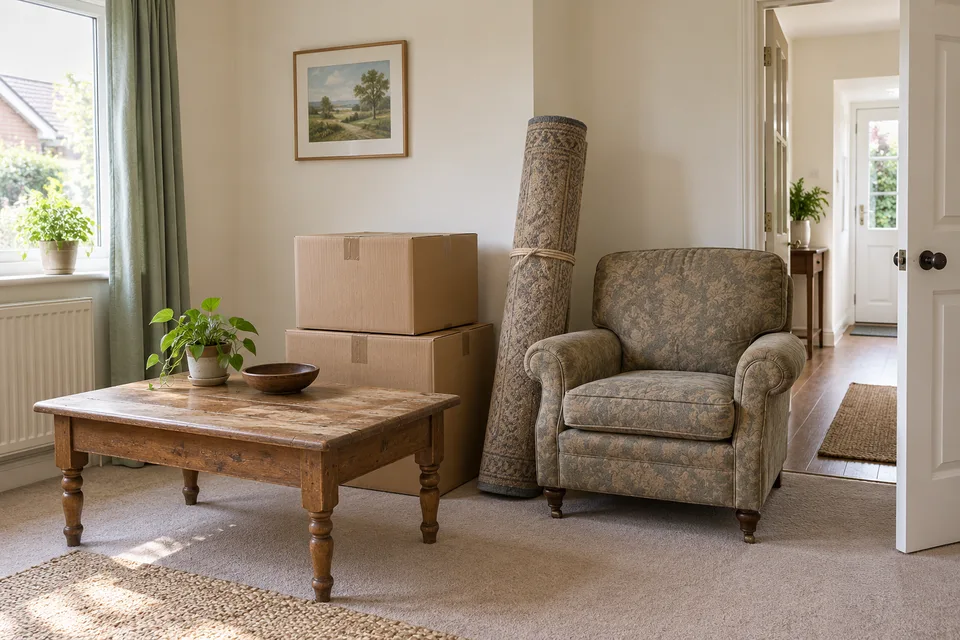
List unwanted furniture, boxed household items and other bulky pieces separately. Say how many there are and give approximate dimensions. A single chair and a full room need different loading space and handling arrangements. Keep anything you intend to retain clearly separate from the collection.
02
Garden waste
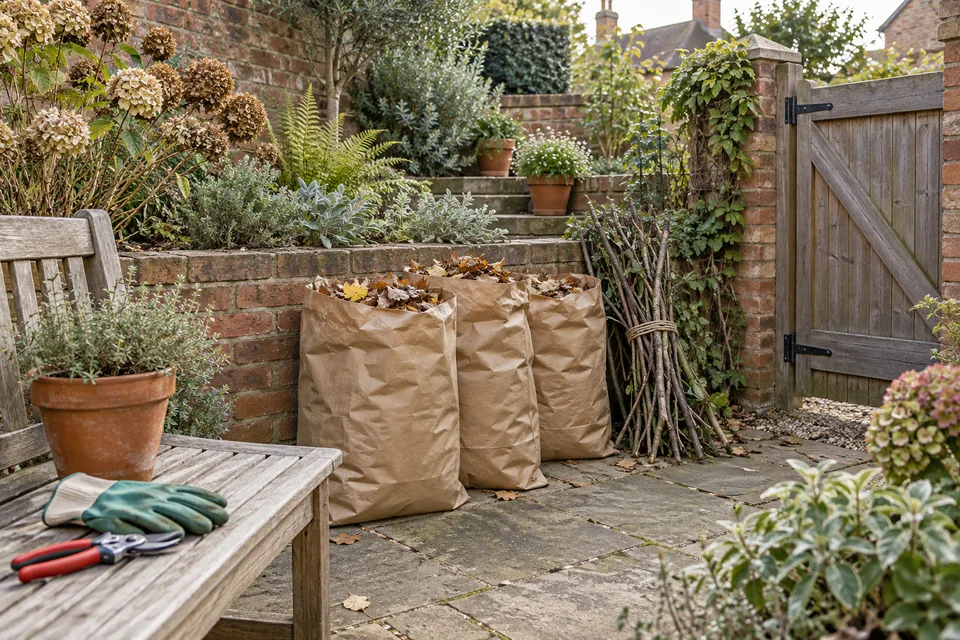
Describe branches, bagged leaves and other garden material rather than calling it a general garden load. Soil, rubble, fence panels and treated timber need separate discussion. Keep sharp pieces visible and explain whether the route passes through the house, a side gate or shared access.
03
Office & property items
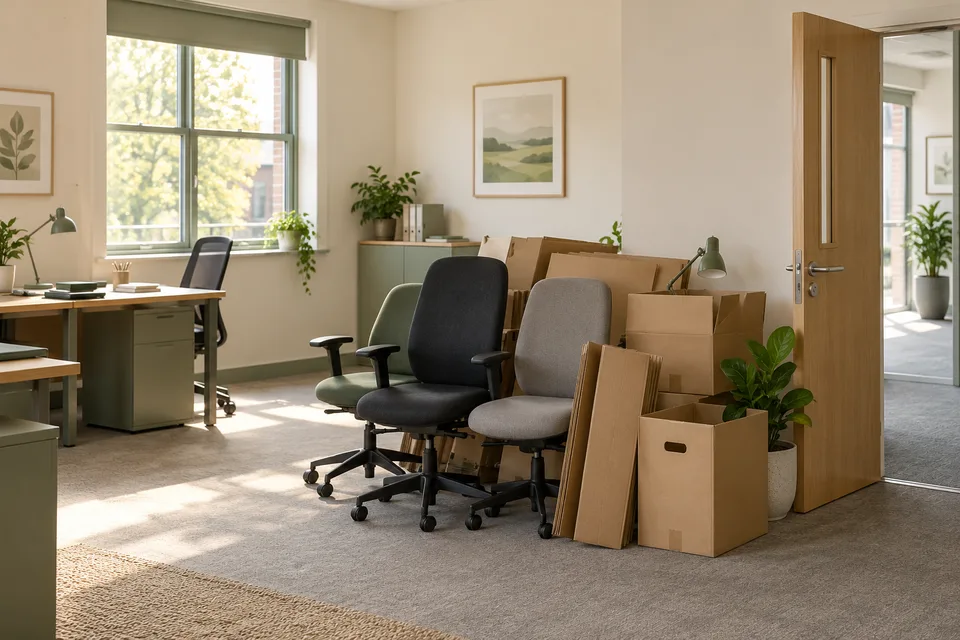
For an office or rental property, identify the items and who is authorised to release them. Explain loading restrictions, lifts and building access. Electrical equipment, confidential papers and anything containing personal data need specific arrangements; they should not be mixed into a general load without agreement.
Agree what is included before anything moves
Collection and cleaning are different jobs. Discuss the agreed items, where they will be collected from, the loading involved and any dismantling before the appointment. Do not assume that a collection automatically includes clearing cupboards, disconnecting appliances, taking furniture apart or sweeping every room afterwards.
Be precise about what is excluded. Paints, chemicals, asbestos, gas cylinders, batteries, clinical waste and unknown liquids should not be added to a general household load. Describe suspect material when enquiring so suitability can be checked. Do not open an unlabelled container or disturb material that could be unsafe.
If the room also needs cleaning after the items leave, plan that as a separate task. A one-off clean can focus on an agreed area, while a deeper clean may be appropriate for neglected surfaces. Arrange the order so cleaners can reach the areas that need attention.
Access changes the job
Mention stairs, narrow landings, small lifts and tight turns. A bulky item may fit through a room door but not around the next corner. Measure the awkward points and give the largest dimensions before collection. Let us know if the item is heavy, fragile, damaged or difficult to grip.
Describe the route outside as well. Explain where a vehicle can stop, whether there are parking restrictions and how far the items must be carried. Shared corridors and fire exits need to remain clear. Check any building arrangements with the person responsible rather than promising access that has not been agreed.
Know what the quote covers
Ask whether the quote is based on the item list, estimated volume, weight, handling time or a combination. State if more items may be added. A load containing dense building material is different from the same volume of cardboard; a photograph alone may not make that difference clear.
Confirm the agreed collection scope and price before work begins. Ask how changes to the load will be handled and whether parking, extra carrying or dismantling affects the quote. Keep the written details so both sides can refer to the same description. No collection time or final price should be assumed from a general web page.
Prepare the space, not a heavy lift
Set aside documents, valuables, keys and anything that must stay. Label retained furniture or move small personal items away from the collection area. If several people use the property, confirm the list with them first. A clearly marked collection area helps avoid removing something by mistake.
Bag loose lightweight material securely where appropriate and keep sharp or unstable pieces separate. Do not overfill bags or attempt to carry a heavy object downstairs yourself. Keep children and pets away from the loading route. Tell us about any item you cannot safely move before the visit.
If this is part of moving out, organise the clearance before end of tenancy cleaning. For renovation work, separate leftover materials and tools from waste and discuss them before arranging after builders cleaning. This keeps collection and detailed cleaning in a practical sequence.
From the first call to a clearer room
Start with your postcode, item list and access details. Discuss which items can be accepted, the proposed collection arrangements and the quote. Before confirming, ask who will carry the waste and what collection or transfer documentation applies to your load. Keep the collection details for your records.
On the day, check the agreed list before loading starts. Point out items that must remain and raise any changes before they are moved. Once the collection is complete, check the cleared area and keep the relevant paperwork. If you are unsure about a waste carrier, you can check the Environment Agency public register before making arrangements.
BEFORE YOU BOOK
A few useful answers.
Can I arrange removal of just one bulky item?
Describe the item, approximate size, location and access when you call. A single-item enquiry still needs enough detail to establish suitability, handling and collection availability. Ask for the quote before agreeing to the visit.
Do I need to move everything outside?
Discuss the collection point first. Explain which items are indoors, upstairs or beyond a narrow route. Do not move heavy furniture or leave items blocking a pavement, shared entrance or fire exit just to prepare for collection.
Can garden waste and household items go together?
List each type separately and ask whether it can be included in the same collection. Soil, rubble, timber and electrical items may need different arrangements. An agreed list is more useful than describing everything as mixed rubbish.
Is cleaning included after a clear-out?
Cleaning is a separate service unless specifically included in your agreed scope. If floors, cupboards or other surfaces need attention afterwards, arrange that work once the items have been removed and access is clear.
What if I find more items before the appointment?
Contact us before the visit and describe the change. Extra items can affect vehicle space, handling and the quote. Do not assume that additional waste can be collected at the original price or within the same appointment.
READY TO MAKE SOME ROOM?
Tell us what needs to go.
Have your Watford postcode, item list and access details ready. We will discuss the next step with you.